Humble: The Bold Display Font That Balances Charm and Versatility
Finding a typeface that commands attention without shouting is a common challenge. Many designers and creators seek a font that feels both contemporary and approachable, one that can carry a brand's personality across a variety of applications. This is where a well-crafted display font becomes invaluable. It acts as the visual voice of a project, setting the tone before a single word is read. For those building a brand identity from scratch or refreshing an existing one, the choice of typography is foundational.
A Typeface with Down-to-Earth Character
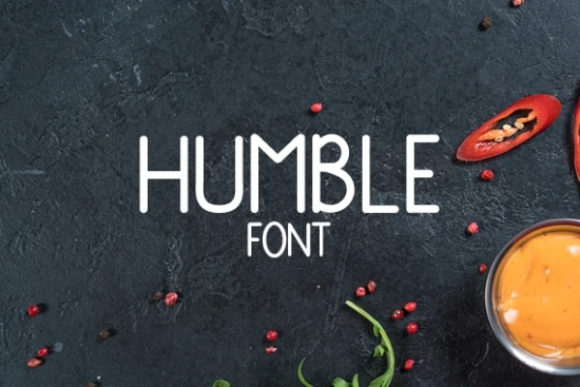
At its core, this font is designed to be a bold display typeface, meaning it's built for impact at larger sizes. Think headlines, logos, and banners. Its defining characteristic is a unique blend of casual charm and structural confidence. The letterforms often feature subtle, friendly imperfections or rounded edges that soften its bold presence, making it feel wonderfully down-to-earth. This approachability is key. It avoids the cold, sterile feel of some geometric sans-serifs and the overly rigid nature of certain serifs. Instead, it offers a readable, human quality that resonates across different audiences. This makes it an incredibly versatile asset, capable of fitting into a rustic craft project with the same ease as a sleek, modern startup brand.
Practical Applications for Real-World Projects
The true test of any creative font is how it performs in the field. A typeface might look stunning in a specimen sheet, but its value is proven when applied to tangible design projects. This is where a font with this kind of personality truly shines. Its versatility allows it to be deployed across a wide spectrum of applications, each time adding a distinct layer of character.
For branding and logo design, it serves as a powerful primary wordmark. The bold weight ensures the brand name is immediately legible and memorable, while the casual charm infuses the logo with a friendly, trustworthy vibe. This is particularly effective for businesses that want to appear professional yet approachable—think boutique coffee roasters, independent bookstores, artisan bakeries, or eco-friendly product lines.
In the realm of packaging design, the font can help a product stand out on a crowded shelf. Its bold presence is perfect for the product name or a key benefit statement. Paired with a clean sans-serif for body copy, it creates a clear visual hierarchy that guides the consumer's eye. The down-to-earth quality can communicate handcrafted authenticity or modern simplicity, depending on the supporting design elements.
For social media graphics and digital content, readability at a glance is paramount. A bold display font cuts through the noise of a fast-scrolling feed. It's ideal for quote graphics, promotional announcements, video thumbnails, and Instagram story headlines. The font's engaging personality can help increase audience engagement, making content feel more relatable and shareable. It works equally well for a blogger's main title or a marketer's call-to-action button on a website.
Beyond the digital sphere, the font excels in print materials and merchandise. Imagine it on a poster for a local event, on the cover of a self-published book, on a T-shirt for a creative community, or on an elegant wedding invitation. Its versatility allows it to adapt to the project's tone, whether it's celebratory, informative, or artistic. For editorial layouts, it can be used for pull quotes or section headers to break up long blocks of text and add visual interest.
Strengthening Your Brand's Visual Language
Consistent use of a distinctive typeface is a cornerstone of strong visual branding. When your audience sees the same font repeatedly across your website, social media, and printed materials, it builds immediate recognition. This font, with its memorable personality, can become a key component of that recognition. It helps create a cohesive brand identity that feels intentional and professional.
Improving readability is another critical benefit. While it's a display font, its design prioritizes clarity. The careful spacing and distinct letterforms ensure that words are easy to parse, even at a glance. This professional presentation elevates the perceived quality of your work, whether it's a client project or your own small business. Ultimately, clear and attractive typography reduces cognitive load for your audience, allowing them to focus on your message, which can significantly boost engagement.
Tips for Effective Implementation
Choosing the right font is just the first step. Using it effectively requires a bit of strategy. Here are some practical considerations for integrating a bold display font into your workflow.
- Font Pairing is Key: A bold display font rarely works well alone for body text. Pair it with a highly readable serif font for a classic, elegant feel, or with a clean sans-serif font for a modern, minimalist look. The contrast between the bold headline font and the simpler body font creates a pleasant and professional visual rhythm. Test a few combinations on your actual project mockups before committing.
- Consider the Context: Match the font's style to your project's goal. Its casual charm is perfect for a friendly blog or a community-focused brand. For a more corporate or luxury application, you might use it more sparingly, perhaps only for a single impactful headline, and let a more neutral typeface handle the rest.
- Review All Included Styles: A well-designed premium font often comes with more than just the base bold style. Look for alternate characters, ligatures, or different weights (like a regular or light version). These extras can provide valuable flexibility, allowing you to create subtle variations and more sophisticated typographic compositions within the same font family.
- Test for Readability: Always test your chosen text at the size it will be viewed. A font that looks great at 72pt on your monitor might become illegible at 12pt on a mobile screen. Ensure your line height and letter spacing are optimized for the medium—print often requires different settings than web.
- Understand the License: If you're using the font for commercial work—a client's logo, merchandise for sale, or a paid digital product—you must ensure you have the correct commercial font license. Reputable font marketplaces and foundries make licensing terms clear. Respecting these terms is part of professional design practice and protects your work.
In the end, a typeface like this is more than just a collection of letters. It's a design asset that carries mood and meaning. By understanding its personality and applying it thoughtfully, you can leverage its unique charm to create visual communications that are not only beautiful but also effective and true to your brand's story. It’s a tool for making your projects stand out in a crowded visual landscape, one well-chosen word at a time.