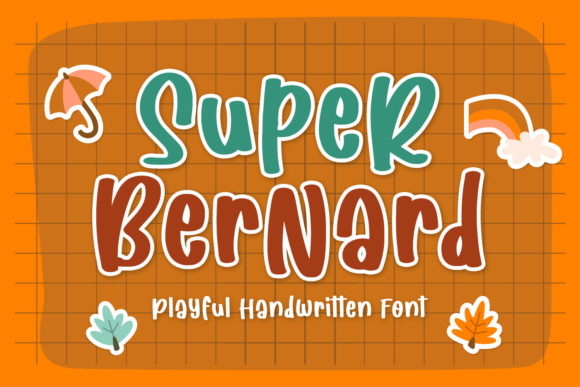
Super Bernard: The Friendly Typeface That Brings Brands to Life
There’s a moment in every design project where you realize the typography is either working with you or against you. You’ve got the perfect color palette, a solid layout, and a clear message—but the font feels sterile, forgettable, or just plain wrong. That’s where a typeface like Super Bernard enters the picture. It’s a playful, thick-lettered display font with a personality that’s hard to ignore: cute, friendly, and full of character. It’s the kind of font that doesn’t just sit on the page; it communicates warmth and approachability before a single word is read.
For designers, small business owners, and content creators, choosing a font is rarely just about aesthetics. It’s about finding a visual voice that aligns with a brand’s personality and resonates with an audience. Super Bernard, as a premium display font, offers a distinct solution for projects that need to feel welcoming, energetic, and memorable. Its rounded, bold forms make it particularly effective for headlines, logos, and short bursts of text where impact matters most. Unlike more neutral typefaces, it carries an inherent cheerfulness that can instantly soften a brand’s image or inject playfulness into a campaign.
More Than Just a Cute Font: Practical Applications Across Industries
While its friendly style might suggest it’s only for children’s products or casual blogs, Super Bernard’s versatility extends far beyond that. Think about a local bakery wanting to emphasize handmade, artisanal care in its logo. Or a fitness app aiming to make health and wellness feel less intimidating and more like a supportive community. This typeface can bridge the gap between professionalism and approachability in ways that more rigid fonts cannot.
In packaging design, for instance, Super Bernard can make a product stand out on a crowded shelf. Its thick strokes ensure legibility even from a distance, while its friendly demeanor invites consumers to pick it up. For social media graphics, it cuts through the noise of endless scrolling with its bold, eye-catching presence—perfect for quote graphics, promotional announcements, or Instagram story headers. It’s equally at home on merchandise like t-shirts, tote bags, and mugs, where a single, impactful word or phrase needs to carry the design.
Consider these specific uses where its character shines:
- Brand Identity: Crafting logos and taglines for lifestyle brands, cafés, pet care services, or creative studios that want to project a welcoming image.
- Digital Products: Designing covers for eBooks, worksheets, or online course materials that need to feel accessible and engaging, not corporate.
- Event Collateral: Creating invitations, posters, and banners for community events, workshops, or children’s parties where a joyful tone is essential.
- Editorial Design: Using it for pull quotes, chapter titles, or section headers in magazines or blogs to add visual interest and break up text-heavy layouts.
- Marketing Assets: Developing website hero sections, email newsletter headers, and ad copy that needs to grab attention quickly and positively.
Pairing and Practicality: Using Super Bernard Effectively
A common pitfall with distinctive display fonts is overuse. Super Bernard is designed to be a star player, not the entire team. Its best role is in headlines, titles, or short, high-impact text. For body copy, you’ll want to pair it with a highly readable serif font or a clean sans serif font. This contrast creates a professional hierarchy: Super Bernard grabs attention, and the complementary font delivers the detailed information with clarity.
When testing font pairings, consider the mood you’re establishing. Pairing it with a classic, elegant serif can create a charming, boutique feel—think wedding invitations or high-end artisan goods. Matching it with a geometric sans serif might lend a more modern, friendly-tech vibe, suitable for a startup’s website or app interface. Always test your pairings in context. View the combination on a mockup of your actual project, whether it’s a business card, a website header, or a social media post, to ensure the relationship feels balanced and the overall design remains readable.
Readability is paramount, even with a display font. While Super Bernard’s letterforms are clear, its intended use at larger sizes means you should avoid setting long paragraphs in it. Ensure there’s sufficient contrast between the text color and the background, and pay attention to kerning (the space between letters) if your design software allows adjustments. A little extra space can enhance its friendly appearance even further.
Choosing the Right Style and Understanding Your License
Most premium fonts, including Super Bernard, come in a family of styles. This might include different weights (like Regular, Bold, or Black) or stylistic alternates. Before purchasing, review what’s included. Having multiple weights gives you flexibility within a single project—you can use a bolder weight for main titles and a regular weight for subtitles, maintaining visual consistency while adding subtle variation.
Equally important is understanding the commercial license. If you’re using the font for client work, merchandise for sale, or any digital product you distribute, you need to ensure the license covers that use. Reputable font marketplaces and foundries are very clear about their licensing terms. This isn’t just about legal compliance; it’s about respecting the work of the type designers who crafted the asset. For a small business owner or entrepreneur, this is a crucial part of building a professional and ethical brand.
Ultimately, the goal of any design asset is to solve a communication problem. Super Bernard solves the problem of adding instant personality, warmth, and memorability to visual projects. It’s not the right tool for every job—for a law firm’s annual report, you’d look elsewhere. But for a vast range of creative and commercial applications where friendliness and approachability are key, it’s a typeface that can truly elevate your visual storytelling and help your brand connect on a human level. Its strength lies in its ability to make a design feel less like a corporate statement and more like a friendly conversation.