The Playful Charm of Magic Story: A Font for Joyful Designs
You know that feeling when a design just clicks? It’s not just about the colors or the layout—it’s about the personality, the vibe, the little spark that makes someone stop scrolling and smile. That’s the kind of energy a thoughtfully chosen typeface can bring to the table. If you’ve ever struggled to find a font that feels both friendly and distinctive, one that carries a sense of whimsy without sacrificing clarity, you might have just found your next creative companion.
More Than Just Letters: The Personality of This Display Font
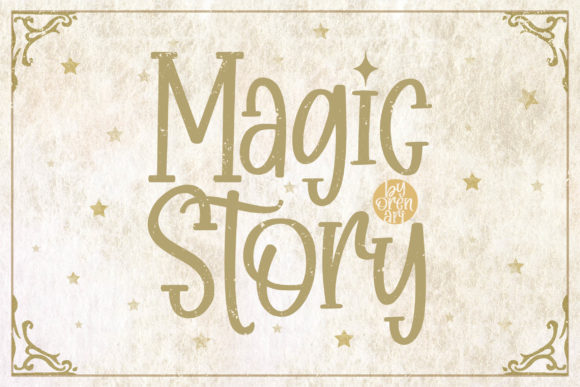
At its core, Magic Story is a cute and quirky display font designed to inject a dose of joy into visual projects. But what does that really mean for you as a creator? Think of it as the typographic equivalent of a friendly wave or a bright, inviting storefront sign. Its letterforms are crafted with soft, rounded edges and playful proportions, giving it an approachable and slightly whimsical character. This isn’t a font that tries to be everything; it knows exactly what it is—a cheerful, engaging typeface that’s perfect for making a statement.
The visual appeal lies in its balance. It’s bold enough to catch the eye in headlines and logos, yet designed with enough care to remain legible and pleasant to read in shorter bursts of text. The slight variations in stroke weight and the subtle, handcrafted feel give it an authenticity that more rigid, geometric fonts often lack. It feels personal, like it was made with a smile, which is exactly the kind of emotional resonance you want when building a brand or creating marketing materials.
Where Does a Font Like This Shine? Real-World Applications
The true test of any design asset is how well it performs in the wild. A beautiful specimen on a font preview page means little if it doesn’t serve a practical purpose. Here’s where a typeface with this kind of joyful personality can become a real workhorse in your toolkit.
For branding and logo design, it’s a fantastic choice for businesses that want to project friendliness, creativity, and approachability. Imagine a local bakery, a children’s boutique, a craft brewery, or a cozy café using this in their logo. It immediately communicates a welcoming atmosphere. It pairs wonderfully with simpler sans-serif fonts for body text, creating a hierarchy that is both clear and full of character.
In packaging design, it can help a product stand out on a crowded shelf. Whether it’s on a box of artisanal cookies, a label for handmade soap, or the sleeve of a specialty coffee bag, the font adds a layer of perceived care and personality. It tells a story before the customer even reads the copy.
For the digital realm, it’s a powerhouse for social media graphics. Use it for Instagram story headers, quote graphics, sale announcements, or event promotions. Its high-impact style is perfect for grabbing attention in a fast-scrolling feed. Similarly, on a website or blog, it can be used strategically for section headings, call-to-action buttons, or special feature titles to break up visual monotony and guide the reader’s eye.
Don’t overlook print. It’s equally effective on posters, flyers, and invitations. Think about a birthday party invite, a community event poster, or a promotional flyer for a workshop. The font sets the tone instantly. For merchandise like t-shirts, tote bags, or mugs, it translates beautifully, offering a design that feels custom and appealing.
Pairing, Readability, and Making It Work for Your Project
Choosing the right font is only half the battle; knowing how to use it effectively is what separates good design from great design. Here’s some practical advice for integrating a display font like this into your workflow.
Font Pairing is Key. A display font is rarely used alone. The magic happens in combination. For body text, you’ll want to pair it with a highly readable serif or sans-serif font. A clean, modern sans-serif often creates a perfect, balanced contrast, letting the playful headings do their job without overwhelming the reader. Experiment with different pairings to see what feels right for your project’s tone.
Readability First. Always prioritize your audience’s ability to read the content. This font is ideal for headlines, logos, and short, impactful phrases. Avoid using it for long paragraphs of text, as its decorative nature can make sustained reading difficult. Test it at the size it will be viewed—what looks great on your 27-inch monitor might be illegible on a phone screen if used too small.
Match the Font to the Goal. Ask yourself: what emotion do I want to evoke? If the answer is happiness, creativity, fun, or approachability, you’re on the right track. If your project calls for solemn authority or ultra-minimalist chic, another typeface might be a better fit. Understanding the font’s personality helps you use it with intention.
Explore the Styles. Many premium font families include multiple weights or styles. Check if this typeface comes with variations—like a bold, light, or italic version. These can provide valuable flexibility, allowing you to create more nuanced typographic hierarchies while maintaining a consistent visual voice.
Consider the License. If you’re using it for a commercial project—like a client’s logo, a product for sale, or marketing materials—ensure you have the appropriate commercial license. This protects both you and the font creator and is a standard part of professional design work.
Building a Cohesive and Engaging Visual Identity
Ultimately, the tools you choose are in service of a larger goal: clear communication and strong visual impact. A well-chosen typeface contributes directly to visual consistency, which is the cornerstone of brand recognition. When your audience sees the same distinctive font across your website, social media, and packaging, it builds familiarity and trust.
It enhances professional presentation. Thoughtful typography signals that you care about details, which reflects positively on your brand or project. It’s a subtle but powerful cue that says, “We put thought into this.”
Most importantly, it can boost audience engagement. The right font doesn’t just look nice; it makes people feel something. It can make a call-to-action more compelling, a headline more memorable, and an invitation more exciting. It’s a tool for connection.
So, whether you’re designing a new logo for your startup, creating a series of blog graphics, or crafting the perfect wedding invitation, consider the role your typography plays. A font with personality isn’t just a set of characters; it’s a voice. And sometimes, the most effective voice is one that speaks with a little bit of magic and a whole lot of charm. Adding this beautiful display font to your creative ideas might just be the spark that makes them truly stand out.