The Retro Font: A Designer's Guide to 70s & 80s Typography
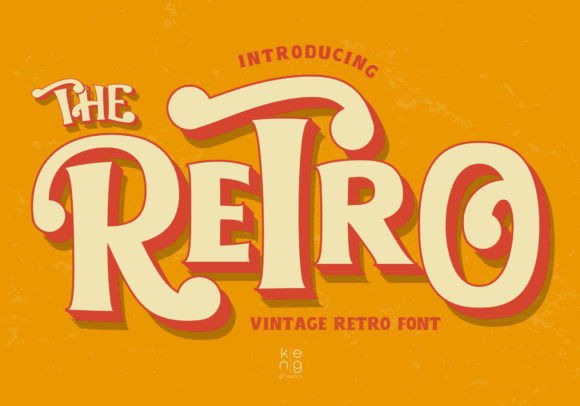
There’s a particular feeling that washes over you when you see a design that truly nails a vintage aesthetic. It’s not just about faded colors or grainy textures; it’s often in the typography. The curves of a letter, the weight of a stroke, the subtle quirks in a ligature—these details transport us. If you’ve been searching for that authentic, attention-grabbing look for your next project, you’ve likely encountered The Retro. This clean and smooth vintage-style typeface is more than just a font; it’s a bridge to a iconic era of graphic design, offering a powerful tool for anyone looking to add instant character and recognition to their work.
Why This Typeface Captures the Spirit of an Era
Inspired directly by the bold, expressive typography of the 1970s and 1980s, The Retro isn’t a slavish copy of a single style. Instead, it distills the essence of that period’s visual language. Think of the confident, rounded forms of disco-era signage, the playful yet sturdy lettering on vintage product packaging, or the striking headlines in old magazine ads. The Retro captures that energy with a modern sensibility, ensuring it feels nostalgic without being dated or difficult to read. Its strength lies in its clarity and smoothness—each letterform is crafted to be instantly recognizable, ensuring your message doesn’t just get seen, but gets remembered.
This makes it an exceptional display font. As a creative font designed for impact, it excels in contexts where you need to make a statement. It’s not the font you’d choose for a 10,000-word legal document, but it’s absolutely the typeface you’d select for a hero banner, a product logo, or a social media graphic that needs to stop the scroll. The clean lines prevent it from looking messy or overly distressed, which is a common pitfall with retro-inspired fonts. Instead, it offers a professional, polished take on a beloved aesthetic.
Practical Applications: Where The Retro Shines
Understanding a font’s personality is one thing; knowing how to deploy it effectively is where the real value lies. The versatility of a premium font like The Retro allows it to adapt to a wide range of creative and commercial projects. Here’s how you can put it to work:
- Brand Identity & Logo Design: For businesses in the hospitality, entertainment, lifestyle, or artisanal goods sectors, a retro vibe can communicate authenticity, fun, and approachability. The Retro can become the cornerstone of a brand identity, used in logos, wordmarks, and monograms to establish a distinctive and memorable visual personality from the first glance.
- Packaging Design: On a crowded shelf, packaging design is your silent salesperson. Using The Retro for product names, taglines, or key features can evoke feelings of nostalgia and craftsmanship. Imagine it on a craft soda label, a vinyl record sleeve, or a boutique coffee bag—it instantly tells a story.
- Digital & Social Media Graphics: In the fast-paced world of social media graphics, a unique font is a secret weapon. The Retro can make Instagram posts, Facebook ads, and Pinterest pins visually cohesive and standout. It works beautifully for quote graphics, announcement banners, and profile headers that need a consistent, branded look.
- Web Design & Blogs: While you wouldn’t set body copy with it, The Retro is perfect for web design elements like headlines, navigation menus, call-to-action buttons, and feature sections. For a blog with a vintage, food, or DIY focus, it can add immense character to post titles and section dividers, enhancing the reader’s experience.
- Print Materials & Marketing Assets: From posters and flyers to business cards and letterheads, print materials benefit from a font with strong presence. It ensures your marketing assets look intentional and professional, whether promoting a local event, a sale, or a new service.
- Editorial Layouts & Digital Products: For magazines, zines, or e-book covers, The Retro can set the tone for an entire editorial design. Similarly, if you sell digital products like planners, worksheets, or Canva templates, incorporating this font can give your products a unique, sought-after style that appeals to a creative audience.
Maximizing Impact: Font Pairing and Readability
Using a bold display font effectively requires a bit of strategy. The goal is to let The Retro do what it does best—capture attention—while ensuring the overall design remains balanced and readable. This is where font pairing comes into play.
A general rule of thumb for modern typography is to contrast styles. Since The Retro has a strong personality, pair it with something more neutral and clean for supporting text. A simple sans serif font for body copy or a subtle serif font for subheadings can create a beautiful hierarchy. The display font handles the “wow” factor, while the paired font ensures the message is delivered clearly. Avoid pairing it with another highly stylized font like a script font or handwritten font, as this can create visual competition and make the layout feel chaotic.
Always conduct a readability test. Check how the font looks at various sizes—what’s stunning in a headline might become illegible if shrunk for a caption. Pay attention to kerning (the space between letters) and leading (line spacing) in your design software. The smooth design of The Retro generally offers good readability, but context is everything. View your design on different devices and print a test copy if possible.
A Smart Investment for Creative Professionals
When you choose a font like The Retro, you’re not just buying a set of letters; you’re investing in a design asset. A high-quality commercial font typically comes with multiple styles—perhaps different weights (light, regular, bold) or alternates (stylistic sets, ligatures). Before purchasing, review what’s included. These extra styles provide tremendous flexibility, allowing you to create nuanced designs and maintain visual consistency across a project with varying text needs.
Equally important is understanding the licensing. A reputable premium font will have clear, straightforward commercial licensing. This ensures you have the legal right to use the font in client work, on products for sale, and across all your digital and print platforms. It’s a small but crucial detail that protects both you and your clients, contributing to a professional presentation that builds trust.
Ultimately, the right typography does more than spell out words. It builds brand recognition, enhances audience engagement, and elevates the perceived value of your project. By choosing a typeface with a clear personality and proven versatility like The Retro, you equip yourself with a powerful tool to communicate more effectively and create designs that resonate on a deeper, more emotional level. It’s about finding that perfect visual voice that speaks directly to your audience, and sometimes, the best voice is one that echoes the timeless cool of the past.