Unleash a Bold, Artistic Vibe with the Toxic Typeface
Have you ever scrolled through a design and felt an instant jolt of energy, a raw, gritty aesthetic that just grabs you by the collar? That’s the power of a display font that refuses to blend in. In a digital landscape crowded with safe, geometric sans-serifs and predictable scripts, finding a typeface that screams "creative" without looking chaotic is like striking gold. If you are working on a project that demands attention—whether it’s a music festival poster, a skate brand logo, or a bold social media campaign—you need a typeface that carries its own personality. Toxic is exactly that kind of design asset: a funky, cool marker brush display font that brings a fresh, hand-drawn authenticity to any canvas.
The Raw Aesthetic of Marker Brush Typography
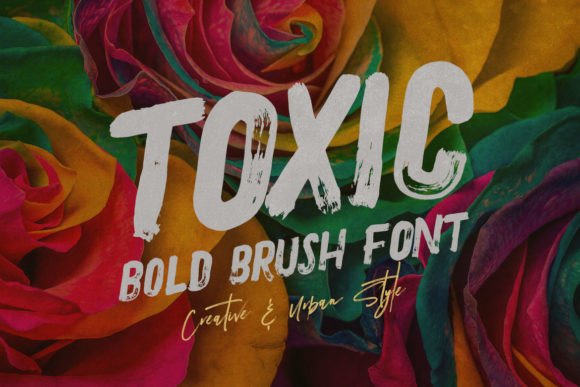
Typography is more than just arranging letters; it's about setting a mood. The visual characteristics of Toxic lean heavily into the "urban art" style, mimicking the texture and flow of a thick paint marker or a heavy brush pen. Unlike standard handwritten fonts that can sometimes feel too casual or messy, this typeface balances that raw energy with a structured baseline. It feels immediate and authentic. This specific style of modern typography taps into a nostalgia for street art, zine culture, and DIY aesthetics, which resonates deeply with audiences aged 20 to 50 who appreciate counter-culture roots and genuine craftsmanship.
When you look at the letterforms, you’ll notice the intentional imperfections. The edges aren't laser-sharp; they have the natural bleed of ink on paper. This is crucial for designers looking to avoid the "corporate" look. If you are building a brand identity for a coffee roaster, a brewery, or a boutique clothing line, this texture adds a layer of soul that a standard serif font or sans serif font simply cannot provide. It tells the viewer that there is a human behind the design.
Practical Applications: Where Toxic Fits Best
While it’s tempting to use a striking display font everywhere, versatility is key. Toxic shines brightest when used for high-impact, short-form text. Think headlines, logos, and call-to-action buttons. It is not designed for long paragraphs of body copy—its intricate brush details would make a full page of text difficult to read. However, for specific creative projects, it is a game-changer.
Here are some specific ways you can integrate this premium font into your workflow:
- Logo Design: If your client is a band, a surf shop, or a streetwear brand, Toxic provides an instant visual shorthand for "cool." It creates a memorable mark that stands out on a business card or a hang tag.
- Packaging Design: Use it for the flavor names on a hot sauce bottle or the header on a craft beer label. The brush texture suggests artisanal quality and bold flavors.
- Social Media Graphics: Instagram Stories and TikTok overlays need to grab attention in milliseconds. Using a bold marker font for quotes, sale announcements, or "Swipe Up" text ensures your message isn't ignored.
- Merchandise: T-shirts, tote bags, and hats often rely on typography that looks good printed large. Toxic has the visual weight to carry a garment design without needing additional illustrations.
- Editorial Layouts: In magazine design or blog headers, use it to create a striking contrast against clean body text. It works exceptionally well for music reviews, interview pull-quotes, or event listings.
- Invitations: For a casual house party, a skate park opening, or a creative workshop, this font sets a relaxed, fun tone immediately.
Strategic Font Pairing: Balancing the Vibe
One of the most common questions in design is: "How do I pair a strong display font with other typefaces?" Because Toxic has such a distinct personality, you need a supporting cast that won't fight for the spotlight. The goal is visual consistency and readability.
Since Toxic acts like a brush script or a heavy graphic element, it pairs best with clean, neutral fonts. A simple geometric sans-serif (like Montserrat, Helvetica, or Futura) is often the perfect companion. The clean lines of the sans-serif will frame the chaotic energy of the brush font, making the design feel balanced rather than cluttered.
Avoid pairing Toxic with other decorative fonts, ornate serifs, or other heavy scripts. If you put two "loud" fonts together, they will clash, and your message will get lost. Think of Toxic as the lead singer of the band; it needs a solid rhythm section (your body copy font) to keep things grounded. When testing your pairings, try setting your headline in Toxic and your sub-header in a medium-weight sans-serif. This hierarchy guides the reader's eye naturally from the artistic hook to the practical information.
Commercial Use and Licensing Considerations
For small business owners and entrepreneurs, the technical side of design assets is just as important as the aesthetic. When incorporating a creative font like Toxic into your branding, you must ensure you have the correct commercial licensing.
Many free fonts found on the internet are for personal use only. If you use a personal-use font on your logo, your merchandise, or your website, you could face legal issues down the road. A premium font usually comes with a license that covers commercial projects, allowing you to monetize the designs you create with it.
Before finalizing your project, review the specific license details provided with the typeface. Does it cover digital products? Does it cover physical merchandise? Is it a "print-only" license or a "web font" license? Understanding these details protects your business and ensures that your brand identity is built on solid ground. Investing in a high-quality commercial font is a small cost compared to the value of a professional, legally sound brand image.
Maximizing Impact in Digital Environments
In web design and digital marketing, performance and aesthetics must coexist. While Toxic is a graphic-heavy typeface, modern web standards allow for high-quality custom fonts to be loaded efficiently. When using this font for website headers or call-to-action sections, pay attention to how it renders on different screen sizes.
On mobile devices, intricate brush details can sometimes blur if the font size is too small. As a rule of thumb, keep display fonts like Toxic above 24px for digital use to maintain that crisp, marker texture. This ensures that whether your audience is viewing your site on a desktop monitor or scrolling through a newsletter on their phone, the typography remains legible and impactful.
For content creators and bloggers, this font is a secret weapon for creating branded templates. Imagine having a consistent set of YouTube thumbnails or Pinterest pins where the headlines always pop with that same funky energy. This repetition builds brand recognition. Your audience will start to recognize your content before they even read the text, simply because of the unique visual signature of your typography.
Freshness for Your Next Project
Ultimately, the tools we choose reflect the message we want to send. If your brand or project is about energy, creativity, and a bit of rebellious spirit, your typography needs to reflect that. Toxic offers a way to break away from the mundane and inject some genuine personality into your visual communication. It’s not just about looking good; it’s about feeling right for the message you are conveying.
Whether you are designing a poster for a local gig, launching a new line of energy drinks, or simply looking to refresh your personal blog, having a versatile, high-energy display font in your toolkit is essential. It saves you time, ensures your designs look professional, and helps you connect with an audience that values authenticity. Give your next project the visual edge it deserves and see how the right typeface can transform a simple layout into a piece of art.