Bombardment: Bold Typography That Demands Attention
Some fonts whisper. Others shout from across the room. Bombardment falls firmly into the second category—a display typeface built for moments when subtlety simply won't cut it. If you've ever struggled to find a font that carries enough visual weight to anchor a poster, headline, or logo without looking generic, this family of four styles deserves a closer look.
What Makes Bombardment Stand Out
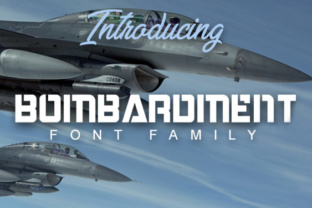
Display fonts live or die by their personality. A weak display typeface fades into the background, which defeats the entire purpose. Bombardment avoids that trap through thick, confident strokes and a slightly condensed letter structure that creates natural tension on the page. The letterforms feel industrial yet modern—think construction signage meets contemporary branding. Each character occupies its space with authority, making it particularly effective when set at large sizes where every curve and counter gets scrutinized.
The family includes four distinct styles, which gives you flexibility that many display fonts simply don't offer. You can shift between variations depending on whether you need maximum impact, a slightly softer tone, or something that works alongside body copy without creating visual chaos. That range matters when you're building out a full brand identity rather than designing a single one-off graphic.
Where This Typeface Truly Shines
Let's get practical. You're probably reading this because you have a project in mind, so here's where Bombardment earns its place in your design toolkit:
- Logo design and brand identity: A logo needs to work at one inch wide on a business card and six feet tall on a trade show banner. Bombardment's bold geometry holds up across scales, which is exactly what you want from a primary logotype. It pairs well with minimal sans serif fonts for taglines and secondary text.
- Packaging design: Shelf presence matters. Whether you're designing labels for a hot sauce brand, coffee bags, or cosmetics, a strong display font helps products stand out in crowded retail environments. Bombardment's assertive character suggests confidence and quality—two things consumers notice subconsciously.
- Poster and editorial layouts: Magazine covers, event posters, and book covers all rely on headline typography to grab eyeballs. This typeface handles oversized display text with ease, creating focal points that draw readers into the rest of the layout.
- Merchandise and apparel: T-shirt graphics, hat embroidery, and sticker designs benefit from fonts that read clearly even when printed on textured surfaces. The thick strokes of Bombardment maintain legibility on fabric in ways that thinner, more delicate typefaces cannot.
- Social media graphics: Instagram stories, YouTube thumbnails, and Pinterest pins compete for attention in fast-scrolling feeds. Bold typography cuts through visual noise. Setting key phrases in Bombardment gives your content a punchy, shareable quality that lighter fonts struggle to achieve.
- Websites and blogs: Used sparingly for hero sections, section headers, or call-to-action buttons, a display font like this injects personality into otherwise standard web layouts. Just be mindful of loading times and consider using it as a web font only where impact matters most.
Matching the Right Style to Your Project
Not every project needs the same level of typographic aggression. A streetwear brand launching a limited drop wants a different energy than a boutique hotel designing wedding invitations. Here's a simple framework for choosing among Bombardment's four styles:
Start by defining the emotional tone you're after. If your project leans edgy, urban, or high-energy, go with the heaviest weight available. If you need something bold but slightly more approachable, a medium or regular style softens the impact without sacrificing presence. For projects that mix display text with longer passages, a style with slightly more open spacing will integrate better with your body copy.
Think about your audience's expectations, too. A fitness brand targeting competitive athletes can push harder into aggressive typography than a wellness retreat center targeting stressed professionals. The font itself doesn't change, but the style you select—and how you deploy it—sends different signals.
Pairing Bombardment With Other Fonts
Every display font needs a partner. Running Bombardment for both headlines and body text would create visual fatigue fast. Instead, pair it with typefaces that complement without competing:
- A clean sans serif like a geometric or neo-grotesque family works beautifully for body copy, navigation text, and supporting information. The contrast between Bombardment's boldness and a neutral sans serif creates visual hierarchy almost automatically.
- A simple serif font can add sophistication to editorial layouts, especially in publishing or luxury branding contexts. Think elegant magazine headers paired with readable serif paragraphs.
- Automatic pairing with script or handwritten fonts requires caution. The contrast can work for event invitations or lifestyle branding, but test combinations carefully to avoid visual clutter.
The golden rule of font pairing: if the headline does the heavy lifting, everything else should support quietly. Let Bombardment own the spotlight while your secondary typeface handles the information load.
Readability Isn't Optional
Bold display fonts sometimes sacrifice legibility for style. That's a trade-off worth examining honestly. At large sizes—poster headers, banner text, logo marks—Bombardment reads clearly because the letterforms have enough space to breathe. At smaller sizes, though, any display typeface starts to struggle. Counters tighten. Similar-looking letters blur together.
A practical test: set a phrase at the size you plan to use it, then view it from the distance your audience will actually experience. A poster header should read from ten feet away. A t-shirt graphic should be legible across a room. A website hero headline should load fast and render crisply on both desktop and mobile screens. If the text passes these real-world checks, you're in good shape.
For extended text—paragraphs, product descriptions, blog posts—switch to a purpose-built body font. Reserve Bombardment for the moments where you need maximum visual punch in minimum space.
Commercial Use and Licensing
If you're designing for clients, selling products, or running a business, font licensing matters more than most people realize. Before incorporating any premium font into commercial work, verify that the license covers your intended use. Most quality display font families include licensing for print, digital, and merchandise applications, but specifics vary between foundries.
Check whether the license covers embedding in digital products like PDFs, apps, or websites. Confirm that merchandise use—t-shirts, mugs, stickers—is included if that's part of your plan. Understanding these details upfront prevents headaches later, especially when a design goes into production at scale.
Building a Consistent Visual Identity
Typography is one of the most underrated tools for brand consistency. When a business uses the same typeface across its website, packaging, social media, and print materials, customers begin to recognize that visual language instinctively. It's the same principle behind why you can spot a Nike ad before reading a single word.
Choosing a display font like Bombardment as part of your brand's type system gives you a recognizable anchor point. Pair it with your secondary fonts, lock in size relationships and spacing rules, and document everything in a simple style guide. Even a one-page reference sheet helps maintain consistency when multiple people create content for the same brand.
The four included styles offer enough variety to handle different contexts—a bolder weight for product launches, a lighter variation for seasonal campaigns—while keeping everything visually cohesive. That flexibility reduces the temptation to introduce random fonts that dilute your brand's typographic identity over time.
Typography decisions might seem small in isolation, but they compound. Every touchpoint where a customer encounters your brand either reinforces or undermines the impression you're trying to build. A thoughtfully chosen display font, deployed consistently, does quiet but powerful work in the background of everything you create.