Hollow Mummy: A Font That Demands Attention
There’s a moment in every creative project when you realize the default fonts just aren’t cutting it. You’ve tried the usual suspects—Helvetica for clean professionalism, a classic serif for tradition, maybe even a playful script for a touch of whimsy. But what you’re really searching for is something with character, something that doesn’t just sit quietly on the page but steps forward and makes a statement. That’s where a typeface like Hollow Mummy enters the conversation, offering a bold, authentic display style that can instantly transform the energy of your work.
Understanding Its Visual Personality
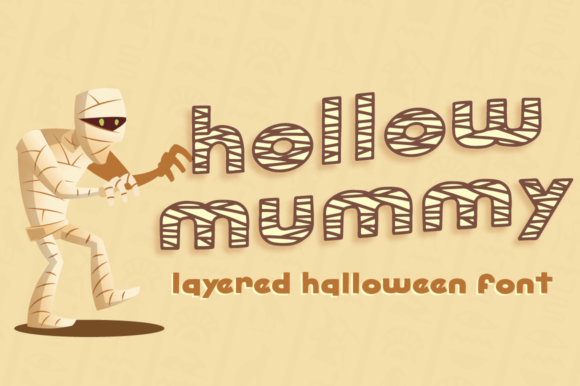
At its core, Hollow Mummy is a display font, meaning it’s designed for impact at larger sizes, such as headlines, logos, and titles. Its defining feature is its “hollow” or outlined structure, which gives letters a striking, architectural quality. Unlike a solid, heavy block font, this approach creates a sense of depth and dimension. The characters feel substantial yet open, allowing for creative use of color, texture, or imagery to show through the letterforms. This isn’t a subtle, whispering typeface; it’s a confident voice that commands space. The authentic, slightly rough-hewn edges prevent it from feeling sterile or overly digital, adding a touch of handmade authenticity that resonates in today’s design landscape.
Where This Bold Typeface Truly Shines
Thinking about its practical application is where the excitement begins. For branding and logo design, Hollow Mummy can be the cornerstone of a memorable identity. Imagine a craft brewery using it for its wordmark—the hollow interior could be filled with a subtle hop texture. A streetwear brand might use it on hang tags, letting the fabric pattern peek through the letters. In packaging design, it can make a product name leap off the shelf, especially when paired with a simple, clean sans-serif font for body text.
The digital realm is equally fertile ground. As a premium font for social media graphics, it can stop the endless scroll. Use it for Instagram story headers, YouTube thumbnail text, or promotional sale announcements where grabbing attention in a split second is critical. For websites and blogs, it’s a powerful tool for hero section headlines, section dividers, or call-to-action buttons, provided it’s used sparingly and at a size that ensures readability. Don’t underestimate its power in print materials either—think event posters, festival flyers, or magazine editorial layouts where a bold typographic statement can anchor the entire design.
Making Your Creative Projects Stand Out
Introducing a font like this into your toolkit is about more than just aesthetics; it’s about strategic visual communication. When used thoughtfully, it directly contributes to several key goals:
- Instant Brand Recognition: A distinctive display font becomes a visual shorthand. When customers see that unique letterform repeatedly across your website, packaging, and social media, it builds a stronger, more cohesive brand identity.
- Improved Audience Engagement: Bold typography triggers an emotional response. It can convey excitement, urgency, or nostalgia, helping to connect with your audience on a more visceral level than standard text ever could.
- Professional Presentation: Moving beyond overused system fonts signals that you’ve invested care and intention into your project’s presentation, which elevates perceived quality and credibility.
Practical Advice for Pairing and Implementation
With great power comes great responsibility. A display font this bold requires a thoughtful approach to ensure it enhances, rather than overwhelms, your design. The golden rule is contrast and balance.
First, test font pairings relentlessly. Hollow Mummy works best when paired with a simple, highly readable companion. A clean sans-serif font for body copy is often a safe bet, providing a calm counterpoint to the headline’s energy. You might also explore a elegant serif font for a more classic, high-contrast feel. The key is to let the display font be the soloist and the supporting font be the steady rhythm section.
Second, consider readability above all. Because it’s an outlined display font, its primary role is in headlines and short bursts of text. Avoid setting entire paragraphs in it. Always check its legibility at the size you intend to use it, especially on mobile screens where small, intricate details can get lost.
Finally, review the full font package. Many premium fonts include multiple styles—like a solid version, a regular weight, or stylistic alternates. Understanding what’s included in your license gives you more creative flexibility. And speaking of licensing, always verify the commercial use rights for your specific project, whether it’s for a client, a product for sale, or a personal blog.
In the end, choosing a typeface like Hollow Mummy is a decision to inject personality and intent into your work. It’s a tool for storytellers, brand builders, and anyone who believes that how something looks is inseparable from what it says. By applying it with strategy and care, you can ensure your next project doesn’t just communicate—it resonates.