Hawaii: The Display Typeface That Feels Like a Vacation
There’s a specific challenge in design that doesn't get talked about enough: finding a typeface that is loud enough to grab attention but friendly enough not to scare people away. We often walk a tightrope between looking professional and looking approachable. If you've ever felt that your branding materials feel a bit too stiff, or your social media graphics lack that "pop" of personality, you might be looking for a change in your typographic toolkit. Enter a design asset that brings the heat without the humidity: a bold, quirky display font that channels the energy of the tropics.
This typeface is more than just a collection of letters; it is a vibe. It captures the essence of endless summer, blending bold visibility with a distinctly friendly demeanor. For designers, entrepreneurs, and content creators, this presents a unique opportunity. We aren't just talking about a decorative element; we are talking about a strategic tool for visual communication. Whether you are launching a new lifestyle brand, designing packaging for artisanal goods, or simply trying to make your blog headers pop, understanding how to wield a display font like this can completely transform your project’s visual consistency and audience engagement.
Visual Personality: Bold, Quirky, and Undeniably Friendly
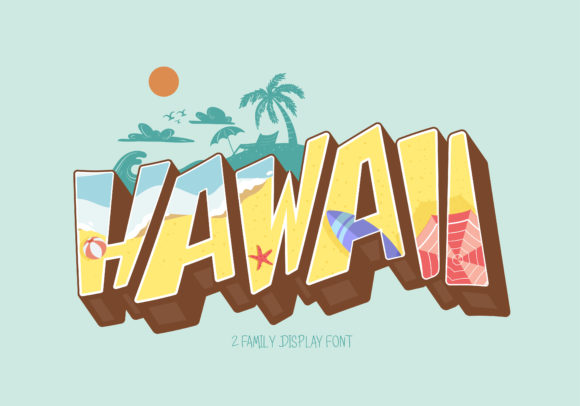
Typography is the voice of your design before anyone reads a single word. A heavy blackletter font whispers of tradition and history. A stark sans-serif screams corporate efficiency. But a typeface like Hawaii? It starts a conversation at a backyard barbecue. Its visual characteristics are defined by a certain "boldness" that ensures high readability even from a distance, combined with "quirky" detailing that gives it character. It avoids the rigidity of standard corporate fonts, opting instead for curves and terminals that feel organic and inviting.
The "summery" feel isn't just marketing fluff; it translates to specific design benefits. It implies warmth, positivity, and openness. When you use this typeface, you are subconsciously telling your audience that your brand or project is accessible and fun. This makes it an incredibly versatile premium font. It works beautifully for a coffee shop menu, a fitness influencer’s workout plan, or a boutique hotel’s welcome sign. It bridges the gap between a handwritten font’s intimacy and a display font’s authority.
Strategic Applications for Branding and Packaging
For small business owners and brand strategists, the choice of typeface is a foundational pillar of brand identity. If your brand voice is energetic, youthful, or lifestyle-focused, this font is a natural fit. Consider the world of packaging design. On a crowded shelf, a product needs to shout to be heard. Using a bold display typeface for the product name creates immediate recognition. Imagine a line of organic sunscreens, tropical fruit juices, or summer clothing lines. The font does half the marketing work by visually communicating the product's vibe before the customer even checks the price tag.
Beyond packaging, think about logo design. While you might not want to use a very stylized font for a law firm, it is perfect for creative agencies, surf shops, or event planning businesses. The key to using a display font in a logo is ensuring it reflects the target demographic. If your customers are looking for a relaxed, enjoyable experience, this typeface signals that you understand them. It builds brand recognition because it is distinct; it doesn't look like the default Arial or Helvetica that everyone else is using.
Digital Dominance: Social Media and Web Design
In the fast-scrolling world of social media, you have milliseconds to stop a thumb. This is where web design and social media graphics intersect with bold typography. A quirky display font is perfect for high-impact headers on Instagram stories, YouTube thumbnails, or Pinterest pins. It adds a layer of professional polish that standard system fonts simply cannot provide. Because it is a "friendly" font, it softens the hard sell. It allows you to promote a sale, a new blog post, or a product launch without feeling aggressive.
For bloggers and content creators, integrating this typeface into your layout can significantly improve readability for headings. When you break up a long wall of text with a distinct, easy-to-read display font, you guide the reader's eye down the page. It works exceptionally well when paired with a clean sans serif font for body text. This contrast creates a visual hierarchy that looks professional and keeps the reader engaged. It turns a standard blog post into an editorial experience.
Print and Merchandise: Extending the Experience
The utility of a versatile typeface extends well beyond the digital screen. For those involved in print materials—such as flyers, posters, and invitations—this font offers a distinct advantage. It possesses enough weight to hold its own on physical paper, ensuring that your message is legible even in busy environments like a bulletin board or a storefront window.
Furthermore, if you are selling merchandise, typography is your best friend. T-shirts, tote bags, and mugs rely heavily on text-based graphics. A creative font like this allows you to create designs that people actually want to wear. It feels less like a corporate logo and more like a lifestyle statement. Whether you are designing wedding invitations for a destination ceremony or merchandise for a travel vlogger, the "exotic" yet readable nature of the typeface ensures the final product feels high-quality and intentional.
Practical Advice for Implementation
Adopting a new font into your workflow requires more than just installation. To get the most out of this design asset, you need to think about context and pairing. Here are a few practical tips for using a bold, summery display font effectively:
- Master the Font Pairing: Because this font is bold and quirky, it demands a partner that supports it without competing. Avoid pairing it with other decorative or script fonts. Instead, look for a neutral sans serif or a clean serif font. The contrast between the playful header and the serious body text creates a balanced, professional look.
- Check Your Licensing: Before you use any font for a client project or commercial merchandise, always review the commercial licensing terms. Ensure that the license covers your specific intended use, whether it's for digital products, physical goods, or software embedding.
- Test for Readability: While display fonts are great for impact, they can sometimes be tricky to read at smaller sizes. Test your layouts on mobile devices. If the font is used for a short, punchy headline, it’s perfect. If you try to force it into a long paragraph, you risk losing your audience.
- Explore the Included Styles: Many premium fonts come with more than just the standard letters. Check for alternates, ligatures, or different weights. These extras allow you to customize your typography and ensure that your logo or header doesn't look exactly like someone else's who bought the same font.
Making Your Exotic Ideas Stand Out
Ultimately, the goal of any design element is to serve the message. If your message is one of creativity, warmth, and approachability, then your typography needs to reflect that. This bold and quirky display font offers a way to inject personality into projects that might otherwise feel flat. It helps improve visual consistency across your various platforms—from your website to your business cards—creating a cohesive brand identity that resonates with your audience.
Don't be afraid to experiment. Sometimes a font that feels "too bold" on the screen looks absolutely perfect on a printed poster or a product tag. By adding this typeface to your toolkit, you are equipping yourself to handle a wider range of creative contexts. It is a reminder that design doesn't always have to be serious and corporate; sometimes, the best way to connect with people is through a friendly, summery smile embedded right there in the kerning. Add it to your exotic ideas and watch them come to life.