Meet Kidmans: The Playful Font That Works Surprisingly Hard
You know that moment when you're scrolling through a sea of design assets and something just clicks? That's what happened when I first encountered Kidmans. It's one of those rare finds that manages to be both charmingly cute and genuinely useful—a combination that's harder to pull off than it sounds. As someone who's spent years helping small businesses and creators find their visual voice, I've learned that the right font can do more than just display words. It can set a mood, tell a story, and make people actually stop scrolling.
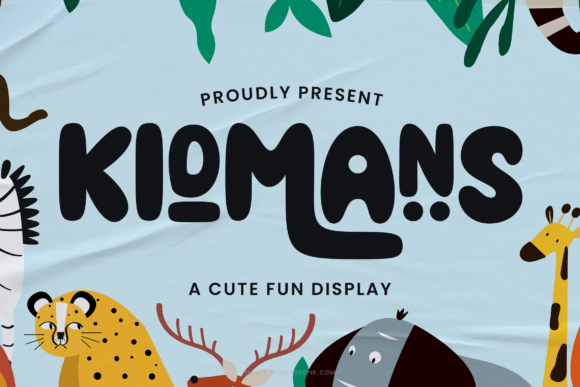
What makes this particular display font stand out in a crowded market of premium fonts? It starts with personality. Kidmans has this friendly, approachable vibe that feels like a warm handshake. The letterforms are soft and rounded, with just enough whimsy to feel creative without crossing into childish territory. This is key—too many playful fonts tip over into being unprofessional, which limits where you can use them. Kidmans strikes that balance beautifully, making it suitable for everything from a bakery's logo to a tech startup's social media graphics.
Where This Font Truly Shines in Real Projects
Let's talk practical applications, because that's where a font's real value emerges. I've seen designers use Kidmans for branding packages that needed to feel approachable yet polished. Think about a children's clothing line, a boutique coffee shop, or a lifestyle blog—these are contexts where you want to convey warmth and authenticity. The font's visual characteristics support that mission perfectly. Its rounded terminals and gentle curves create an inviting feel that can help lower barriers between a brand and its audience.
For packaging design, especially in the food, beauty, or artisan product space, Kidmans offers something valuable: immediate shelf appeal. The handwritten font quality gives products that "crafted with care" look that consumers increasingly gravitate toward. I've seen it work wonderfully on everything from jam jar labels to candle packaging. The key is using it strategically—not for long paragraphs of text, but for headlines, product names, and key callouts where its personality can really pop.
Social media is another arena where this creative font excels. In a platform dominated by quick glances and fast scrolling, having text that stops thumbs is crucial. Kidmans' friendly display characteristics make it perfect for quote graphics, Instagram stories, Pinterest pins, and promotional announcements. It adds that human touch that helps content feel less corporate and more relatable. I particularly recommend it for creators in the lifestyle, wellness, food, or family niches where approachability is part of the brand identity.
Making Typography Work for Your Brand Identity
Choosing the right font style is really about understanding your project's goals. What emotion should your design evoke? Who are you trying to reach? A serif font might convey tradition and authority, while a sans serif font suggests modernity and clarity. A script font like Kidmans occupies that sweet spot between personal and professional. It's a typeface that says, "We're creative, but we're also serious about what we do."
One practical tip I always share with clients: test your font pairings before committing. Kidmans works beautifully alongside clean sans serif fonts for body text. Imagine using Kidmans for your main headline, then pairing it with something like Montserrat or Open Sans for supporting copy. This creates visual hierarchy and ensures readability across different applications. For web design, this pairing approach helps maintain professionalism while injecting personality into key areas like headers, pull quotes, or call-to-action buttons.
Readability considerations are non-negotiable, no matter how attractive a font might be. With display fonts like Kidmans, I recommend using it primarily for larger text sizes—headings, titles, logos, and short phrases. For longer blocks of text, you'll want to switch to a more traditional typeface that's optimized for reading comfort. This isn't a limitation of Kidmans specifically; it's just how display fonts work best. Their strength is in creating impact at a glance, not sustaining attention through paragraphs of content.
From Digital Screens to Printed Materials
The versatility of this font extends beyond digital applications. For print materials like business cards, brochures, and posters, Kidmans brings that same friendly energy. I've seen entrepreneurs use it effectively for thank-you cards included with orders, workshop flyers, and event invitations. The PUA encoding is particularly helpful here—it means you can access all the glyphs and swashes easily, giving you more creative options for customizing your designs without needing advanced software skills.
Merchandise design is another area worth exploring. T-shirts, tote bags, mugs, and stickers all benefit from typography that feels personal and fun. Kidmans has that handcrafted quality that translates well to physical products. For small businesses creating branded merchandise, using a consistent font like this across both digital and physical touchpoints strengthens brand recognition. Customers start to associate that friendly lettering with your business, building visual consistency that pays off over time.
For editorial layouts, whether you're designing a magazine, lookbook, or digital publication, Kidmans works well as an accent font. Use it for section headers, pull quotes, or feature titles to break up the monotony of more traditional body text. It adds visual interest and helps guide readers through your content. The key is restraint—you want these playful elements to enhance, not overwhelm, the overall design.
Practical Considerations for Commercial Use
If you're planning to use Kidmans for commercial projects—and given its versatility, many of you will want to—it's worth understanding the licensing. Most premium fonts come with different license tiers depending on your usage. For small businesses and independent creators, standard commercial licenses usually cover typical applications like logos, marketing materials, and product packaging. However, if you're planning to use it in a digital product for resale, like templates or design assets, you'll want to verify the license permits that specific use.
I always recommend reviewing all included font styles when you acquire a new typeface. Many premium fonts come with multiple weights, alternates, or stylistic sets that can significantly expand your design options. With Kidmans, take some time to explore what's included—you might discover swashes, ligatures, or alternate characters that perfectly suit your project needs. This exploration phase is part of the fun of working with a new typeface.
Ultimately, the best way to know if a font works for your needs is to test it in context. Create a mockup of your actual project—whether that's a social media post, a business card, or a product label—and see how the font performs. Does it communicate the right tone? Does it pair well with your existing visual elements? Does it maintain readability at the sizes you'll use most? These practical tests are far more valuable than any theoretical analysis.
What I appreciate most about Kidmans is its potential to become that reliable go-to font for projects needing warmth and personality. In a design landscape often dominated by ultra-modern, minimalist typography, having a friendly display option in your toolkit is genuinely refreshing. It's not trying to be everything to everyone—and that's precisely what makes it work so well for the right projects. Whether you're building a brand from scratch, refreshing your social media presence, or creating something special for a client, this typeface offers a distinctive voice that's both memorable and approachable.